






Artificial Intelligence Video Camera Surveillance Solutions
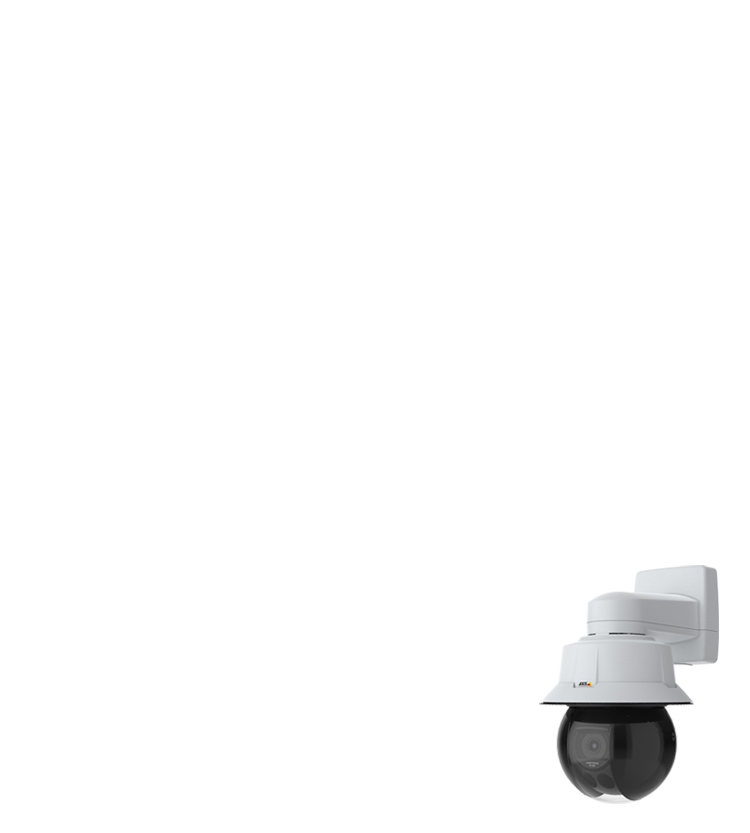
The role of artificial intelligence in modern video surveillance is now an industry standard. Artificial intelligence is rapidly transforming the landscape of video surveillance. What was once seen as an emerging innovation is now becoming a core component of modern security systems. As the technology matures, more businesses and organizations are recognizing the vast potential of artificial intelligence to improve safety, enhance operational efficiency, and deliver deeper business insights. One of the most important developments in this space is the shift toward intelligent, camera-based systems that can analyze video footage in real time. Artificial intelligence now enables cameras to do far more than simply record video. These systems can detect unusual activity, identify objects or people, and even anticipate potential security threats before they escalate. This transformation is especially evident in the growing adoption of edge-based artificial intelligence. Instead of sending video data to a remote server for processing, edge artificial intelligence performs analysis directly on the device, such as a surveillance camera. This approach significantly reduces latency and bandwidth usage, which is critical for real-time monitoring in high-stakes environments. Whether it is a retail store, transportation hub, industrial facility, or corporate office, real-time responsiveness can make a crucial difference.
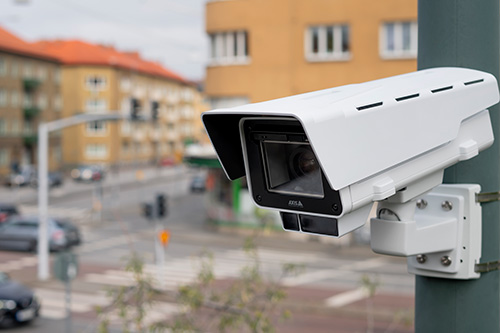
By processing data closer to its source, businesses benefit from faster decision-making and more reliable performance. This not only strengthens security but also opens the door to enhanced operational oversight and smarter business strategies. For example, artificial intelligence can be used to analyze customer behavior in retail spaces, manage crowds in public areas, monitor restricted zones, or ensure compliance with safety regulations in manufacturing sites. Both technology partners and end users are increasingly embracing artificial intelligence as a vital tool for the future. Its value goes beyond surveillance. It delivers measurable results in areas such as efficiency improvement, resource optimization, and customer experience.
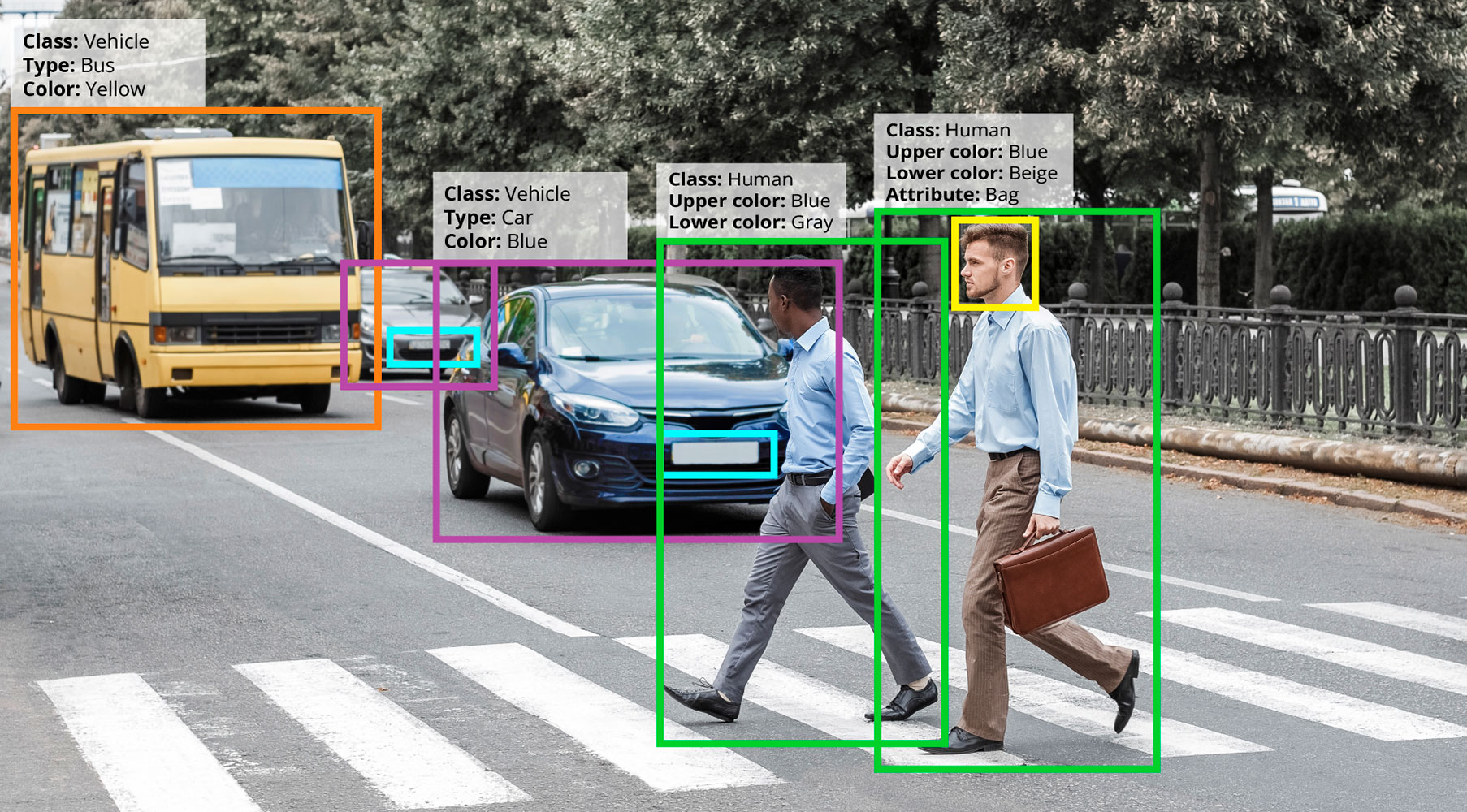
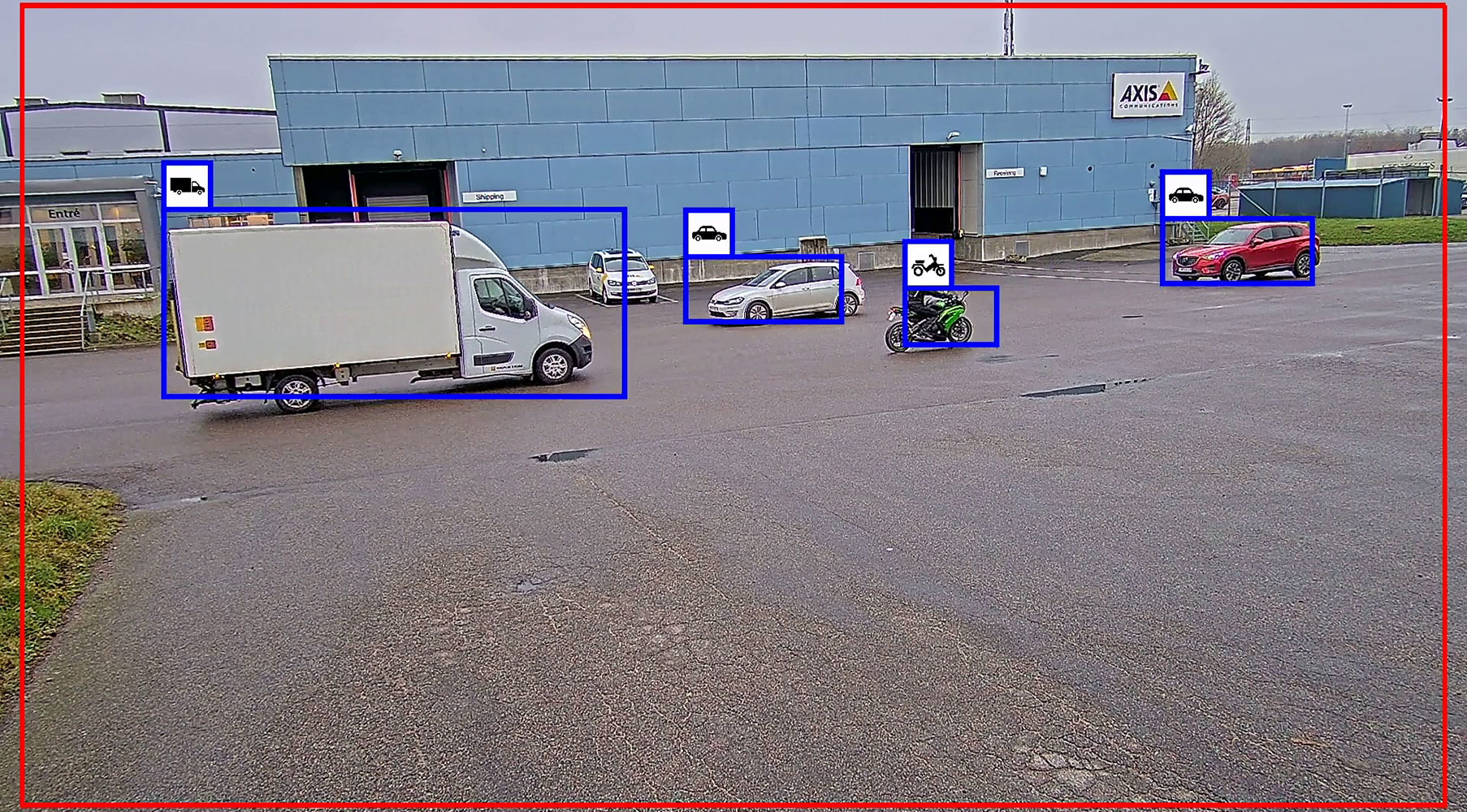
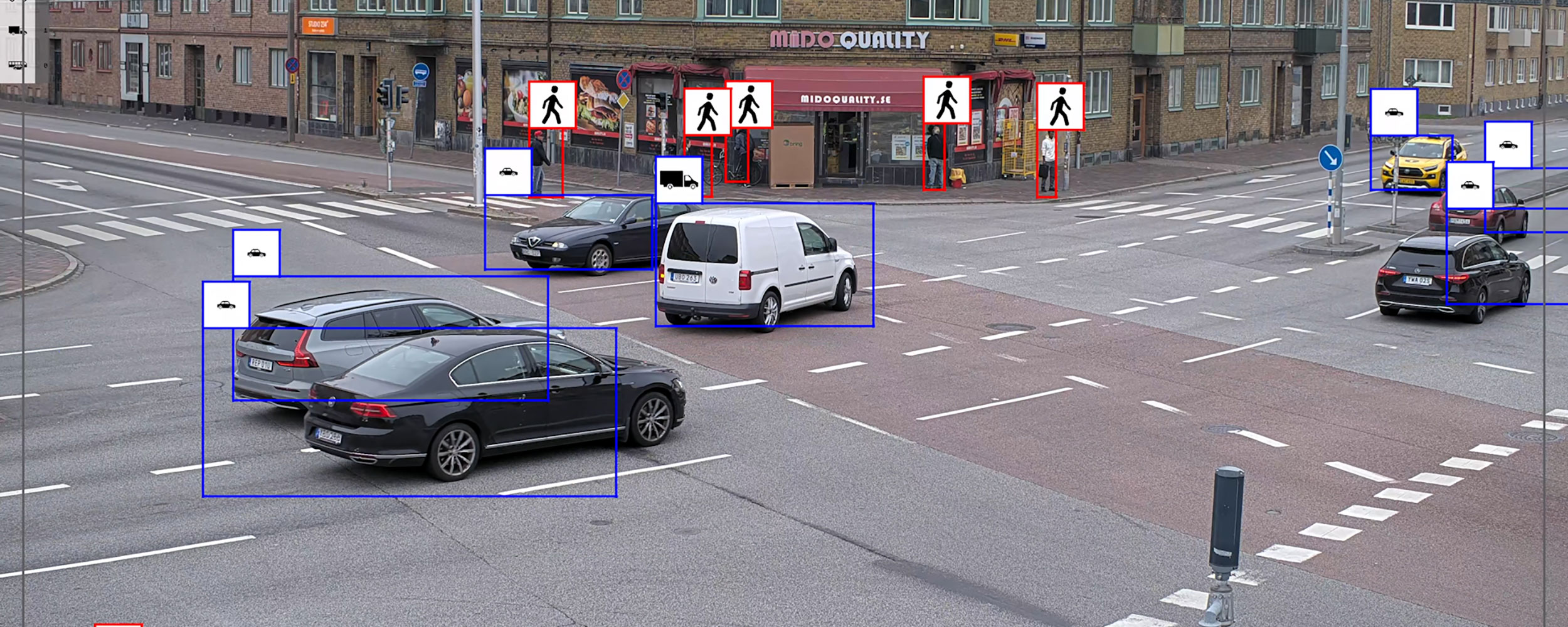
Technology continues to evolve at an unprecedented pace, bringing forward innovations that are reshaping entire industries. One of the most transformative developments in recent years is the integration of artificial intelligence into video surveillance systems. This advancement has significantly enhanced how organizations approach safety, security, operational efficiency, and business intelligence. Artificial intelligence, particularly when combined with deep learning, has turned traditional video surveillance into a powerful tool for proactive monitoring. Instead of relying solely on human operators to watch video feeds for hours on end, AI-powered video analytics now automate the process of identifying and highlighting critical events in real time. This reduces fatigue, minimizes the risk of missed incidents, and allows operators to focus on what truly matters making informed decisions based on accurate data. While AI and deep learning technologies are incredibly effective at analyzing visual data and reducing human error, they are not designed to replace human expertise. Instead, they serve as a valuable aid to security professionals by providing enhanced situational awareness and actionable insights. The experience, judgment, and intuition of human operators remain essential in interpreting complex scenarios and making sound decisions.
A core component of intelligent video analytics is metadata. Metadata refers to the structured information extracted from video content. It includes details about what is happening in the footage such as the presence of people, vehicles, or other objects along with descriptive attributes like clothing color, vehicle type, or direction of movement. This information not only enables faster and more accurate event detection but also supports efficient video search, reporting, and forensic analysis. By leveraging metadata and AI-driven analytics, businesses can go beyond basic security and unlock new levels of operational insight. Whether it is monitoring foot traffic in a retail environment, managing crowd flow in public spaces, or analyzing vehicle patterns in a parking facility, smart video surveillance solutions are paving the way for safer and smarter environments.
As artificial intelligence continues to evolve, it is becoming one of the most powerful and transformative technologies in the video surveillance industry. Its influence spans across security, safety, operations, and strategic decision-making. Companies that integrate artificial intelligence into their surveillance infrastructure are better positioned to respond to challenges, capitalize on opportunities, and stay ahead in a competitive market. Artificial intelligence is not just enhancing video surveillance, it is redefining it. The shift toward smarter, faster, and more adaptable systems is well underway, and its impact will only continue to grow in the years ahead.